Standby Natural Gas Generators vs Gasoline Fuel Shelf-Life Explained
When considering standby natural gas generators versus gasoline fuel systems, it’s essential to understand continuous wattage and surge Joule ratings. Continuous wattage refers to the sustained power output a generator can provide, while surge Joule ratings indicate the maximum energy output during peak demand. This distinction is crucial for ensuring reliable backup power during grid failures.
Understanding Failure and Hazard Physics in Backup Power Systems
Natural gas generators operate on a continuous supply of fuel, making them less susceptible to shelf-life degradation compared to gasoline-powered systems. Gasoline can degrade in quality within three to six months due to oxidation and evaporation, leading to phase separation and the formation of gum and varnish. This degradation can result in engine performance issues and potential failure during critical power outages. In contrast, natural gas remains stable indefinitely when stored in pipelines, providing a reliable energy source for standby generators.
However, natural gas systems are not without hazards. The risk of gas leaks poses a significant safety concern, as natural gas is highly flammable and can lead to explosions if not properly managed. Additionally, improper installation or maintenance can result in backfeed, where electricity flows back into the grid, endangering utility workers and damaging equipment. Understanding these failure modes is essential for designing safe and effective backup power systems.
Critical Circuit Sizing Math for Standby Generators
To ensure that a standby generator can handle the power requirements of essential circuits, it’s crucial to perform accurate load calculations. The National Electrical Code (NEC) recommends sizing circuits based on the total wattage of all devices that will be powered simultaneously. For example, if a household requires 5,000 watts for essential appliances, the generator must have a continuous wattage rating that meets or exceeds this demand. Additionally, considering the surge wattage is vital; appliances like refrigerators and air conditioners can require up to three times their running wattage during startup.
Using the formula: Total Load (W) = Voltage (V) x Current (A), you can determine the necessary amperage for your generator. For instance, if your generator outputs 240 volts and you need 5,000 watts, the necessary current would be approximately 20.83 amps (5,000 W / 240 V). This calculation ensures that the generator can handle both continuous and surge loads without tripping breakers or causing damage.
Comparative Analysis of Hardware Classes
| Feature | Natural Gas Generators | Gasoline Generators |
|---|---|---|
| Fuel Shelf Life | Indefinite | 3-6 months |
| Surge Capacity | Higher (up to 50% more) | Lower |
| Maintenance Frequency | Annual | Quarterly |
| Installation Complexity | Higher (requires gas line) | Lower (portable options available) |
| Environmental Impact | Lower emissions | Higher emissions |
This comparison highlights the advantages of standby natural gas generators in terms of fuel stability and environmental impact. While gasoline generators may offer portability and lower initial costs, their limitations in fuel shelf life and surge capacity make them less reliable for long-term power outages. Homeowners must weigh these factors when selecting a backup power solution.
NEC Code Compliance and Safety Hazards
According to the NEC, proper installation and maintenance of backup generators are critical to preventing hazards such as carbon monoxide poisoning and electrical backfeed. Carbon monoxide is a colorless, odorless gas that can be lethal in enclosed spaces, making it essential to install generators outdoors and away from windows and vents. Backfeed, which occurs when a generator is connected to the grid without proper transfer switches, poses risks to utility workers and can damage both the generator and the electrical system.
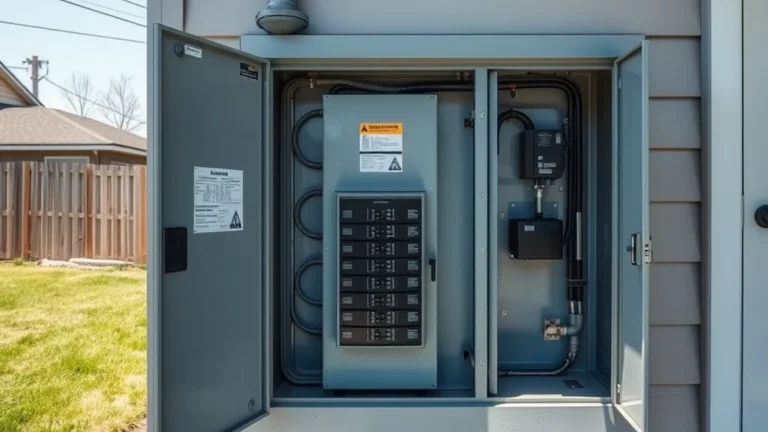
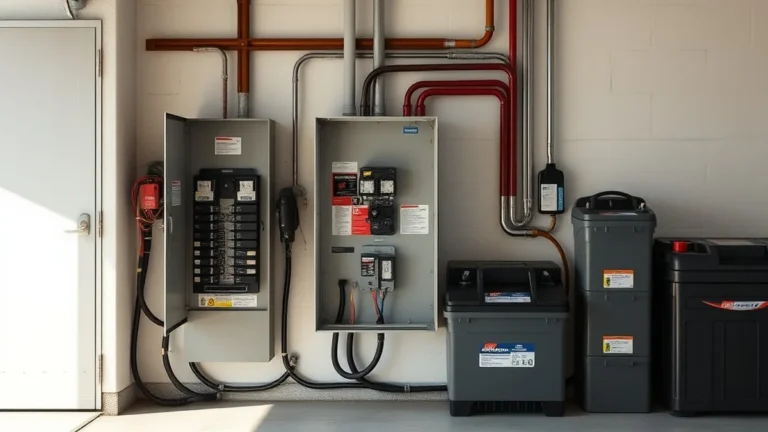
To comply with NEC regulations, homeowners must install transfer switches that isolate the generator from the grid during operation. This prevents backfeed and ensures safe operation. Additionally, regular maintenance checks should include testing carbon monoxide detectors and ensuring proper ventilation around the generator. Understanding these safety requirements is fundamental to protecting both the home and the individuals who may be working on the electrical grid during outages.
Related Aegis Lab Briefings: Explore deeper benchmarks in Ember-Resistant 1/8-Inch Attic Vent Mesh: A Key Retrofit for Wildfire Safety and 5 Essential Rules for Placing Interconnected Smoke and CO Alarms.
Seasonal Inspection and Commissioning Checklist for Generators
To maintain the reliability of standby natural gas generators, a seasonal inspection and commissioning checklist should be implemented. This checklist should include inspecting fuel lines for leaks, checking the oil level, and testing the battery. A thorough inspection of electrical connections and load testing the generator can identify potential issues before they lead to failure. For example, a load test should confirm that the generator can handle the expected wattage without tripping breakers.
Additionally, it is crucial to examine the exhaust system for blockages and ensure that the generator is clean and free of debris. Regularly scheduled maintenance not only extends the lifespan of the generator but also ensures that it will operate effectively when needed most. Homeowners should document all inspections and maintenance activities to maintain compliance with warranty requirements and NEC standards.
Sizing transfer hardware and automated leak cutoffs ahead of severe outages protects critical home equity.