Manual 10-Circuit Transfer Switch vs Panel Interlock Kit: Code Compliance
When considering backup power solutions, the choice between a manual 10-circuit transfer switch and a panel interlock kit hinges on code compliance, safety, and operational efficiency. Continuous wattage ratings, surge Joule ratings, and valve response latency are critical factors that determine the reliability and safety of these systems during grid failures.
Understanding Failure and Hazard Physics
The physics of electrical failure during a power outage can lead to significant hazards, particularly in residential settings. A manual 10-circuit transfer switch is designed to safely disconnect the home from the grid while connecting it to a generator. This prevents backfeed, which can energize utility lines and pose a lethal risk to utility workers and the public. The National Electric Code (NEC) emphasizes the importance of adhering to safety standards to mitigate these hazards.
In contrast, a panel interlock kit modifies the existing circuit breaker panel to allow generator power to flow to selected circuits. While this method is often less expensive, it may not provide the same level of safety as a dedicated transfer switch. The potential for human error in switching between power sources can lead to dangerous situations, especially if the interlock mechanism fails. Understanding these physics is crucial for ensuring safe load transfer and minimizing structural loss during outages.
Critical Circuit Sizing Math for Backup Systems
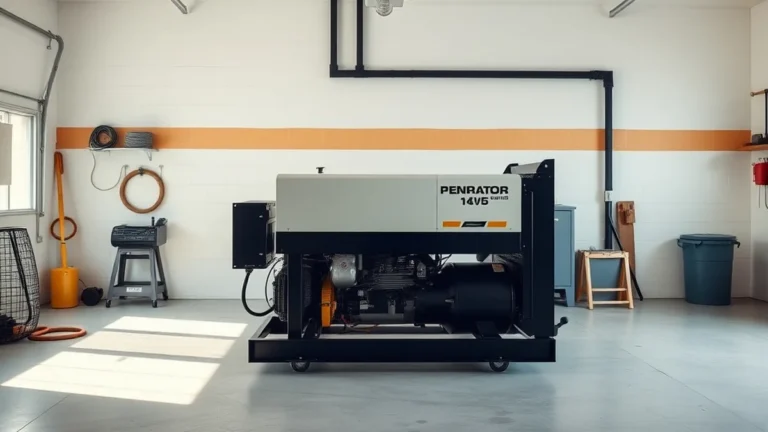
Proper circuit sizing is essential for both manual transfer switches and panel interlock kits. The first step in sizing is to calculate the total wattage of the circuits you intend to power. For example, if you plan to run a refrigerator (800 watts), a sump pump (600 watts), and a few lights (300 watts), your total continuous wattage requirement would be 1,700 watts. However, considering surge ratings is equally important; many appliances draw significantly more power at startup. The refrigerator might surge to 1,200 watts, and the sump pump could surge to 1,200 watts as well.
To ensure your generator can handle these loads, you must account for the highest surge wattage. In this case, the total surge requirement would be 3,600 watts (1,200 + 1,200 + 1,200). Therefore, a generator rated at least 4,000 watts would be necessary to safely accommodate these demands. This mathematical approach is critical for selecting the right equipment and ensuring compliance with NEC standards.
Hardware Class Comparison: Transfer Switch vs. Interlock Kit
| Feature | Manual 10-Circuit Transfer Switch | Panel Interlock Kit |
|---|---|---|
| Code Compliance | Meets NEC standards | May not meet all local codes |
| Safety | Prevents backfeed effectively | Higher risk of human error |
| Installation Complexity | Requires professional installation | Can be DIY installed |
| Cost | Higher initial investment | Lower upfront cost |
| Load Management | Better load balancing | Limited to selected circuits |
This comparison highlights the strengths and weaknesses of each system. A manual transfer switch offers superior safety and compliance, while a panel interlock kit may appeal to budget-conscious homeowners. However, the potential for backfeed and the need for careful operation can make interlock kits a riskier choice.
NEC Code Compliance and Hazard Mitigation
According to the NEC, any system designed to connect a generator to a home must prevent backfeed into the grid to protect utility workers and the public. Failure to comply can result in severe penalties and increased liability in case of an accident.
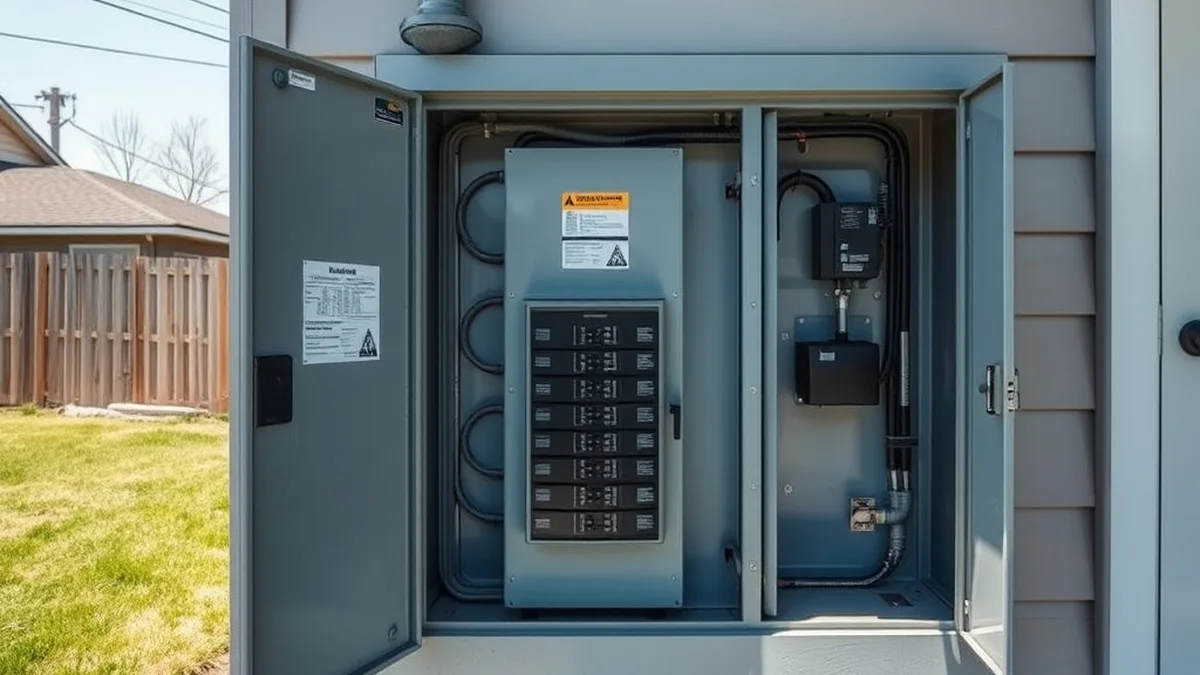
Compliance with NEC codes is not merely a legal obligation; it is a critical aspect of ensuring safety during power outages. The NEC outlines specific requirements for transfer switches and interlock kits, emphasizing the need for proper labeling, installation, and maintenance practices. For instance, transfer switches must be installed in an accessible location and clearly labeled to indicate their function.
Additionally, carbon monoxide (CO) hazards are a significant concern when using backup generators. The NEC mandates that generators be placed at least 20 feet away from any building openings to mitigate CO exposure. Regular inspections and adherence to these codes can significantly reduce the risk of accidents and ensure a safe backup power solution.
Related Aegis Lab Briefings: Explore deeper benchmarks in Encrypted DNS-over-HTTPS Resolvers Block Phishing at Router Level and New Tax Basis Rules for Jointly Titled Brokerage Accounts Explained.
Seasonal Inspection and Commissioning Checklist
Regular inspection and maintenance of your backup power system are vital for ensuring reliability during outages. Here is a checklist to guide homeowners through the seasonal inspection process:
- Check the generator’s fuel levels and quality; replace stale fuel.
- Inspect electrical connections for signs of wear or corrosion.
- Test the transfer switch or interlock kit operation by simulating a power outage.
- Ensure that all circuits intended for backup power are functional and properly labeled.
- Verify that the generator is positioned correctly to avoid CO hazards.
By following this checklist, homeowners can ensure that their backup power systems are ready for use when needed. Regular maintenance not only extends the life of the equipment but also enhances safety and compliance with NEC standards.
Sizing transfer hardware and automated leak cutoffs ahead of severe outages protects critical home equity.