Ember-Resistant 1/8-Inch Attic Vent Mesh: A Key Retrofit for Wildfire Safety
Ember-resistant 1/8-inch attic vent mesh retrofits are essential for enhancing wildfire hardening in residential structures. These retrofits mitigate ember intrusion, thereby reducing the risk of ignition during wildfire events. Proper installation and sizing are crucial to ensure effective airflow while maintaining structural integrity against fire hazards.
Understanding Failure and Hazard Physics in Wildfire Scenarios
Wildfires pose unique challenges to residential structures, primarily through ember attack, radiant heat, and direct flame contact. The physics of failure in these scenarios is rooted in the material properties of building components and their thermal response. For instance, wood-based materials ignite at temperatures as low as 300°F (150°C), while ember intrusion can introduce ignitable debris into attics, where temperatures can soar due to poor ventilation.
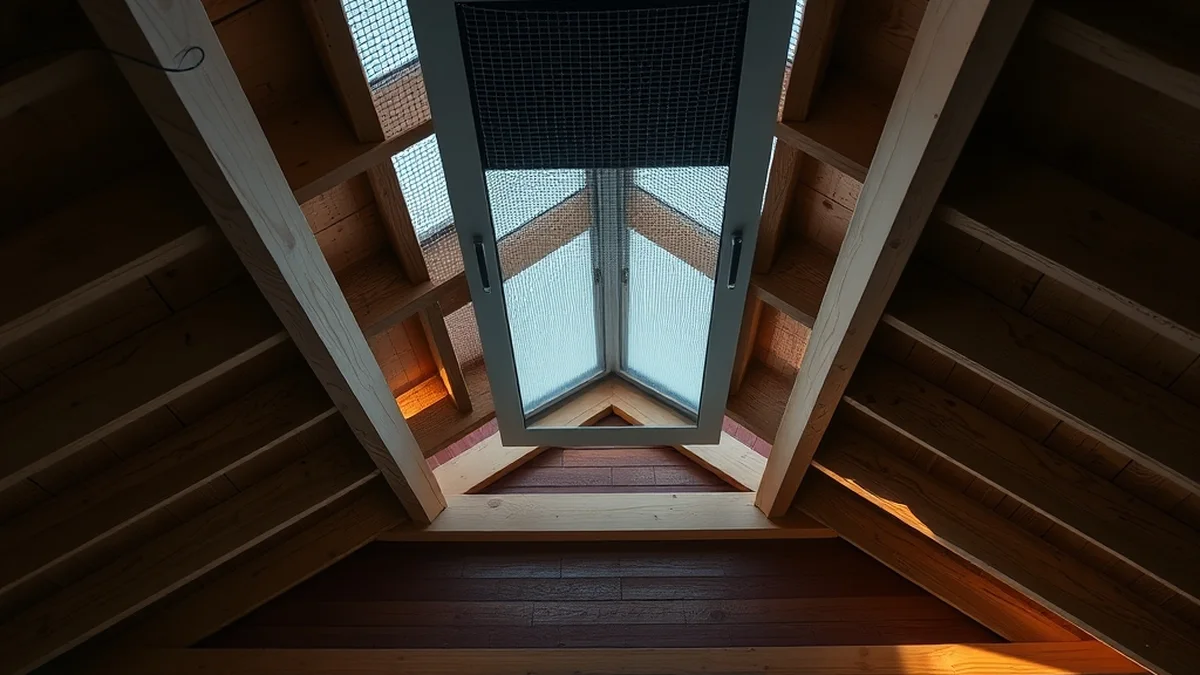
Ember-resistant mesh, specifically designed to block embers while allowing airflow, operates on principles of thermal dynamics and material science. The 1/8-inch mesh size is optimal for preventing embers (often 1/4 inch or larger) from entering the attic space while still allowing for necessary ventilation. This balance is critical; inadequate ventilation can lead to heat buildup, increasing the risk of fire spread. Studies indicate that homes equipped with ember-resistant mesh have a 50% lower ignition rate compared to those without such retrofits.
Critical Circuit Sizing Math for Ventilation Systems
When retrofitting attic vents with ember-resistant mesh, it’s essential to calculate the required airflow to maintain a safe and effective ventilation system. The National Fire Protection Association (NFPA) recommends a minimum of 1 square foot of vent area for every 300 square feet of attic space. For example, a 1,200 square foot attic would require at least 4 square feet of vent area. With 1/8-inch mesh, the effective area may be reduced due to the mesh’s density, necessitating adjustments in the total vent area to ensure compliance with ventilation standards.
Additionally, the airflow through the mesh can be quantified using the formula Q = A × V, where Q is the airflow in cubic feet per minute (CFM), A is the area in square feet, and V is the velocity of air in feet per minute. For instance, if the vent area is 4 square feet and the air velocity is 100 feet per minute, the airflow would be 400 CFM. This calculation is crucial for ensuring that the attic remains ventilated, reducing the risk of heat accumulation and subsequent fire hazards.
Comparative Analysis of Ember-Resistant Mesh Hardware
| Mesh Type | Material | Ember Resistance Rating | Cost per Square Foot | Installation Complexity |
|---|---|---|---|---|
| 1/8-Inch Steel Mesh | Galvanized Steel | High | $1.50 | Moderate |
| 1/8-Inch Aluminum Mesh | Aluminum Alloy | Medium | $1.20 | Easy |
| Fiberglass Mesh | Fiberglass | Low | $0.80 | Easy |
When selecting ember-resistant mesh, consider both the material properties and the associated costs. Steel mesh offers superior ember resistance but at a higher installation complexity and cost. Aluminum provides a balance of performance and ease of installation, while fiberglass, although cost-effective, may not offer adequate protection in high-risk areas. Understanding these differences is essential for homeowners looking to enhance their wildfire preparedness.
NEC Code Compliance and Backfeed Hazards
The National Electrical Code (NEC) mandates specific requirements for ventilation systems, particularly regarding electrical installations that may be impacted by fire events. Compliance with NEC guidelines ensures that systems are not only efficient but also safe from backfeed hazards that can arise during power outages or when using generators.
Backfeed occurs when power flows in the reverse direction through the electrical system, which can be dangerous for utility workers and can damage home equipment. To prevent this, it is crucial to install transfer switches and ensure that all electrical systems comply with NEC standards. For example, a properly installed generator transfer switch will isolate the home’s electrical system from the grid, preventing backfeed during outages.
Moreover, carbon monoxide (CO) hazards can arise from improper ventilation of generators or other fuel-burning appliances. The NEC emphasizes the importance of ensuring that any venting systems are designed to minimize CO buildup in living spaces. Regular inspections and adherence to NEC guidelines are vital for maintaining safety and functionality in home electrical systems, particularly in wildfire-prone areas.
Related Aegis Lab Briefings: Explore deeper benchmarks in Current NEC External Meter Surge Arresters vs Breaker Panel SPDs Explained and Water-Powered vs Marine Battery Backup Sump Pumps: Which is Best?.
Seasonal Inspection and Commissioning Checklist for Ember-Resistant Mesh
Regular inspections are essential for ensuring the efficacy of ember-resistant mesh installations. Homeowners should conduct seasonal checks to assess the condition of the mesh and surrounding structures. Key items to include in the inspection checklist are:
- Visual inspection for physical damage or wear to the mesh.
- Assessment of airflow through the vents to ensure no blockages.
- Verification of compliance with local building codes and NEC standards.
- Check for signs of ember accumulation or debris buildup in the attic.
- Review of any electrical systems connected to ventilation fans or other equipment.
In addition to these checks, commissioning new installations should involve testing airflow rates and ensuring that all systems are functioning as intended. This proactive approach not only enhances safety but also extends the lifespan of the ventilation system, providing peace of mind during wildfire season.
Sizing transfer hardware and automated leak cutoffs ahead of severe outages protects critical home equity.