Gas Generators: Power Your Home for Hours or Days with Ease
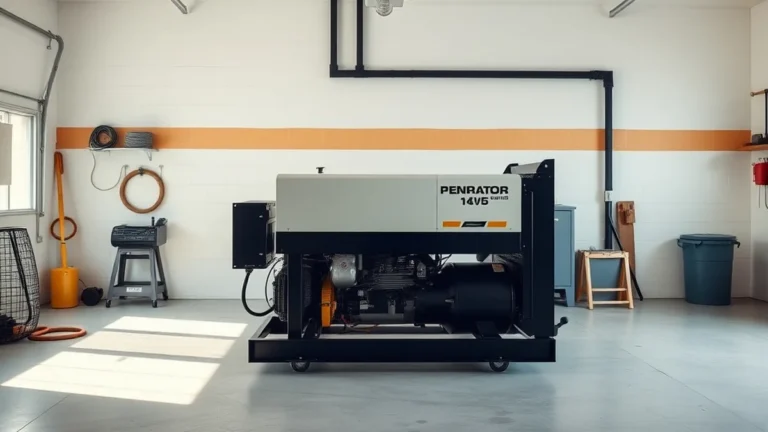
Gas generators can provide essential backup power to keep your home operational during outages, offering continuous wattage to run critical appliances and systems. Understanding their surge Joule ratings and valve response latency is crucial for safe and effective use, ensuring your home remains resilient against grid failures.
Understanding Failure and Hazard Physics in Gas Generators
Gas generators are designed to convert fuel into electrical energy, but their operation is not without risks. The primary hazards associated with gas generators include carbon monoxide (CO) poisoning, electrical backfeed, and mechanical failures. CO is a colorless, odorless gas that can accumulate in enclosed spaces, leading to serious health risks. According to the Centers for Disease Control and Prevention (CDC), over 400 people die annually in the U.S. from unintentional CO poisoning, often linked to improper generator use.
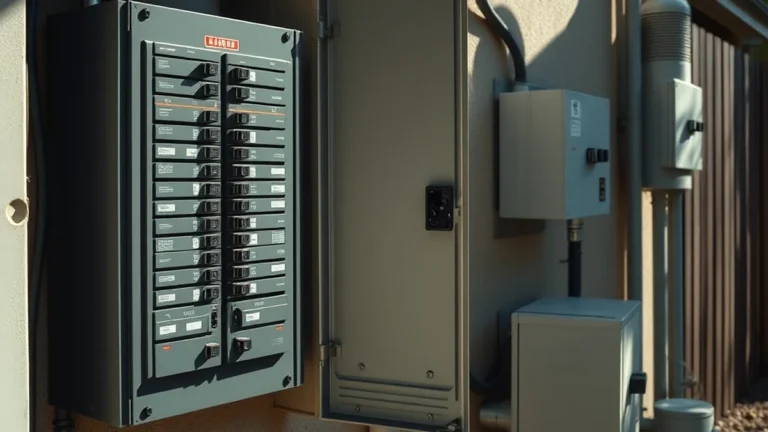
Electrical backfeed occurs when a generator is improperly connected to the home’s electrical system, potentially sending power back into the grid. This can endanger utility workers and damage equipment. The National Electric Code (NEC) mandates specific guidelines for connecting generators to residential circuits, emphasizing the need for transfer switches to prevent backfeed. Additionally, mechanical failures can arise from inadequate maintenance or improper sizing of the generator for the load it needs to support, leading to overheating or component failure.
Critical Circuit Sizing Math for Backup Power
To ensure your gas generator can effectively power your home during an outage, precise circuit sizing is essential. Start by calculating the total wattage required by your critical appliances. For instance, a refrigerator may require around 600 watts, while a sump pump could need approximately 800 watts. To find the total wattage, sum the wattage of all essential devices you plan to run concurrently. If you plan to run three devices simultaneously, such as a refrigerator, sump pump, and a few lights, your total wattage would be 600 + 800 + 300 (for lights) = 1,700 watts.
Next, consider the surge wattage, which is the additional power needed to start appliances with motors, like refrigerators or air conditioners. This surge can be 2 to 3 times the running wattage. For example, if your refrigerator requires 600 watts to run, it may need up to 1,800 watts to start. Therefore, your generator should have a continuous wattage rating that exceeds the total running wattage plus the highest surge wattage. In this case, a generator with at least 3,500 watts continuous output would be advisable to handle the loads safely.
Comparative Analysis of Generator Hardware Classes
| Generator Type | Continuous Wattage | Surge Wattage | Fuel Type | Run Time (at 50% Load) | Noise Level (dB) |
|---|---|---|---|---|---|
| Portable Gas Generator | 2,000 – 10,000 | 3,000 – 15,000 | Gasoline | 8 – 12 hours | 60 – 70 |
| Standby Generator | 5,000 – 20,000 | 7,500 – 30,000 | Natural Gas / Propane | Unlimited (with fuel supply) | 50 – 65 |
| Inverter Generator | 1,000 – 4,000 | 1,500 – 6,000 | Gasoline | 6 – 10 hours | 50 – 60 |
When selecting a generator, consider the class that best fits your needs. Portable generators are versatile and ideal for temporary use, while standby generators provide seamless power during outages but require professional installation. Inverter generators are quieter and more fuel-efficient, making them suitable for sensitive electronics.
NEC Code Compliance and Hazard Mitigation Strategies
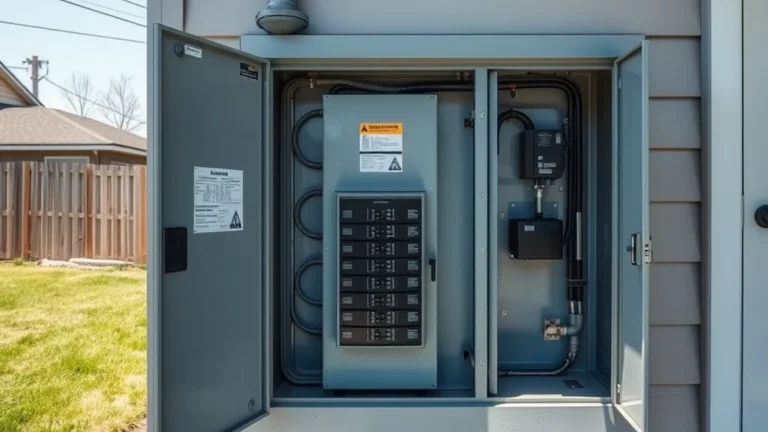
According to the National Electric Code (NEC), all generators must be connected through a transfer switch to prevent backfeed into the grid. This is crucial for the safety of utility workers and to prevent damage to your generator and home electrical system.
Compliance with NEC guidelines is critical for ensuring safe operation of gas generators. The code outlines specific requirements for installation, including the use of transfer switches, which isolate the generator from the grid. This prevents backfeed, a dangerous condition where power flows back into the utility lines, posing risks to utility workers and damaging electrical infrastructure.
Additionally, proper ventilation is essential to mitigate carbon monoxide hazards. Generators should be placed outdoors, at least 20 feet away from windows and doors to prevent CO buildup in living spaces. Installing carbon monoxide detectors in your home is also recommended, as they provide an early warning of dangerous gas levels. Regular maintenance checks, including oil changes and air filter replacements, are vital to ensure the generator operates efficiently and safely.
Related Aegis Lab Briefings: Explore deeper benchmarks in Serious Safety Risks Identified in A-iPower GXS7600iRD Generator and Brass Motorized Main Pipe Leak Detectors Offer Underwriting Discounts.
Seasonal Inspection and Commissioning Checklist for Generators
Routine inspections and maintenance are paramount for ensuring your gas generator functions optimally when needed. Here’s a seasonal checklist to guide your maintenance efforts:
- Check fuel levels and ensure proper fuel type is used.
- Inspect and clean the air filter to prevent airflow blockages.
- Test the battery and connections; replace if necessary.
- Run the generator under load for at least 30 minutes to ensure proper operation.
- Inspect electrical connections for corrosion or wear.
- Review the owner’s manual for any specific maintenance recommendations.
By adhering to this checklist, you can identify and resolve potential issues before they lead to generator failure during an outage. Regular testing and maintenance not only prolong the lifespan of your generator but also ensure your home remains powered during critical times.
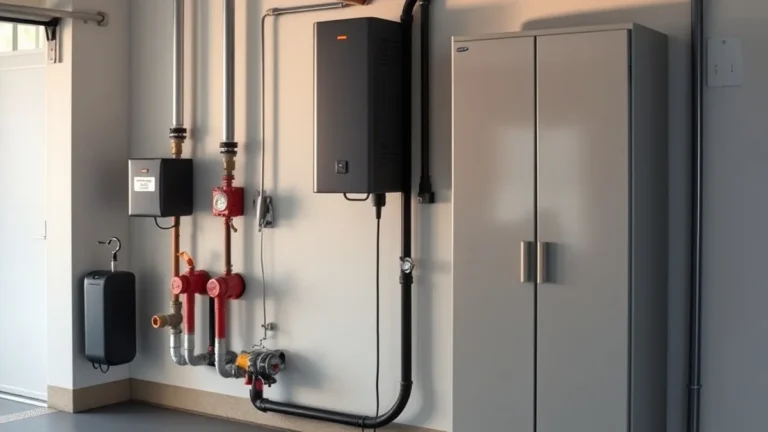
Sizing transfer hardware and automated leak cutoffs ahead of severe outages protects critical home equity.