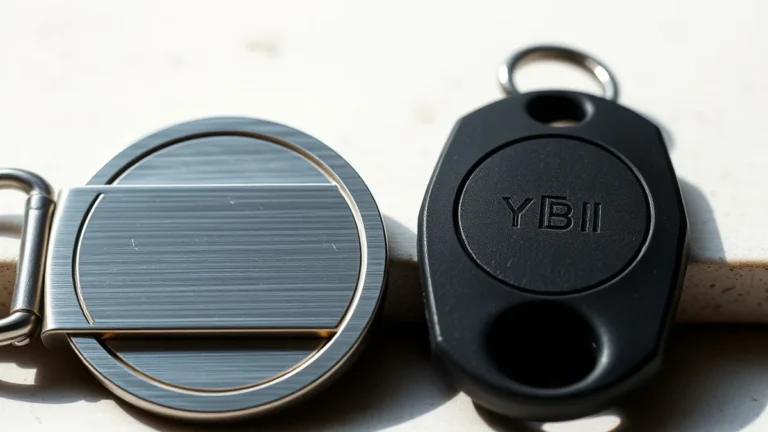
Set Up Passkeys in 12 Easy Steps Within 60 Minutes
Setting up passkeys is a crucial step in protecting your digital identity from increasingly sophisticated cyber threats. In just 60 minutes, you can implement a robust authentication method that significantly reduces the risk of unauthorized access to your accounts. Here’s how to do it in 12 straightforward steps.
Understanding the Attacker Kill-Chain Anatomy
The attacker kill-chain is a model that outlines the stages of a cyber attack, from initial reconnaissance to execution. Understanding this framework is vital for consumers to identify where they can fortify their defenses. The kill-chain consists of seven stages: reconnaissance, weaponization, delivery, exploitation, installation, command and control, and actions on objectives. Each stage presents an opportunity for defenders to disrupt the attack.
For instance, during the reconnaissance phase, attackers gather information about potential targets, often through social media or data breaches. By utilizing tools like Google Alerts or monitoring your digital footprint, you can mitigate this risk. The weaponization and delivery stages involve crafting phishing emails or malicious links, which can be countered by employing advanced spam filters and educating yourself on recognizing suspicious communications. Each disruption increases the overall security posture of your household.
Identifying Default Consumer Vulnerabilities
Consumers often overlook basic security practices, leaving them vulnerable to cyber threats. Common vulnerabilities include weak passwords, lack of two-factor authentication (2FA), and outdated software. According to a 2022 report by Cybersecurity Ventures, 81% of data breaches are due to weak or stolen passwords. This statistic underscores the importance of adopting stronger authentication methods like passkeys, which are inherently more secure than traditional passwords.
Additionally, many consumers fail to regularly update their devices and applications, exposing them to known vulnerabilities. For example, a study by the Ponemon Institute found that 60% of organizations experienced a data breach due to unpatched vulnerabilities. By prioritizing software updates and employing passkeys, consumers can significantly reduce their attack surface and enhance their overall security. Regularly reviewing account settings and security features can further fortify defenses against potential breaches.
Threat-vs-Mitigation Matrix Table
| Threat | Mitigation | Effectiveness |
|---|---|---|
| Phishing Attacks | Implement passkeys and 2FA | High |
| Weak Passwords | Use passkeys instead of passwords | Very High |
| Data Breaches | Regularly update software and use passkeys | High |
| Account Takeover | Enable account recovery options | Moderate |
This matrix illustrates the relationship between common threats and effective countermeasures. By focusing on high-impact strategies like implementing passkeys, consumers can significantly reduce their risk exposure. The effectiveness of these mitigations is not just theoretical; real-world data supports their efficacy in thwarting attacks.
Recovery Lockouts & Backup Key Traps
When setting up passkeys, it’s essential to consider recovery options. Many platforms offer backup codes or recovery keys, which can be a double-edged sword. While they provide a means to regain access to your account, they also represent a potential vulnerability if not managed correctly.
For example, if a user loses their primary device and relies solely on backup keys stored insecurely, they risk losing access to their accounts permanently. It’s crucial to store these backup keys in a secure location, such as a password manager or a physical safe. Additionally, consider setting up alternative recovery methods, such as biometric authentication, which can provide an extra layer of security.
Moreover, be cautious about the recovery questions you choose. Many of these can be easily guessed or found through social media, making them less secure. Opt for questions that are not easily accessible to others, or better yet, use a password manager that can generate and store complex recovery options securely.
Related Aegis Lab Briefings: Explore deeper benchmarks in YubiKey Emergency Backup Key Registration & Offline Vault Storage and AI Voice-Cloning Scams: 5 Safe-Word Protocols to Protect Your Home.
15-Minute Account Lockdown Protocol
To quickly enhance your account security, follow this 15-minute lockdown protocol:
- Review all accounts for security settings and enable passkeys where available.
- Set up two-factor authentication on accounts that support it.
- Update your software and applications to the latest versions.
- Change any weak passwords to strong, unique passwords for accounts that still use them.
- Store backup keys securely in a password manager or a physical safe.
- Monitor your accounts for any unauthorized access or unusual activity.
- Educate yourself and family members about recognizing phishing attempts.
- Consider placing a credit freeze with major bureaus to prevent identity theft.
- Review privacy settings on social media and limit the information shared publicly.
- Regularly back up important data using the 3-2-1 backup strategy.
- Check if your email provider supports passkeys and enable them.
- Schedule a monthly review of your digital security practices.
This protocol not only sets you on the path to implementing passkeys but also reinforces your overall cybersecurity framework. By dedicating just 15 minutes to these actions, you can significantly enhance your defenses against potential threats.
Locking credit bureaus, carrier SIM ports, and phishing-resistant passkeys closes the highest-risk consumer attack paths.