Serious Safety Risks Identified in A-iPower GXS7600iRD Generator
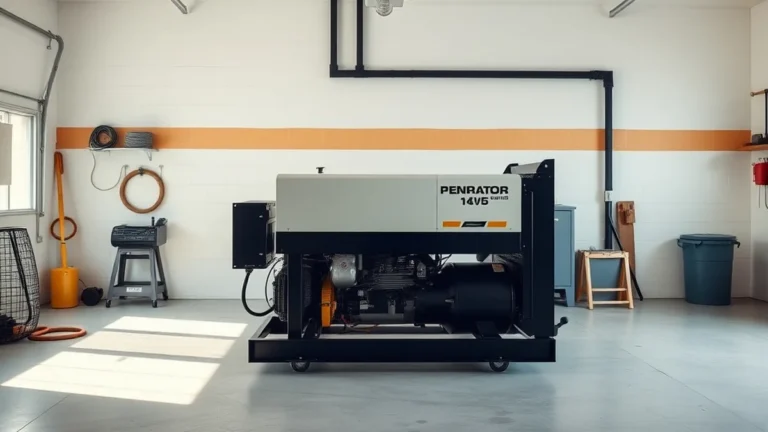
The A-iPower GXS7600iRD generator presents significant safety risks, particularly concerning its continuous wattage and surge Joule ratings. Continuous wattage is rated at 7,600 watts, while the surge capacity peaks at 9,500 watts. However, the generator’s valve response latency and potential for backfeed pose critical hazards that must be addressed for safe operation during grid-down scenarios.
Understanding Failure and Hazard Physics in Generators
Generators like the A-iPower GXS7600iRD operate under principles of electrical engineering that dictate their performance and safety. The failure of these machines can often be traced back to thermal overload, improper load management, and inadequate safety features. For instance, when a generator is overloaded beyond its continuous wattage rating, it can lead to overheating, which may cause internal component failure or even fires. The generator’s thermal protection mechanism is designed to mitigate this risk, but it is not foolproof.
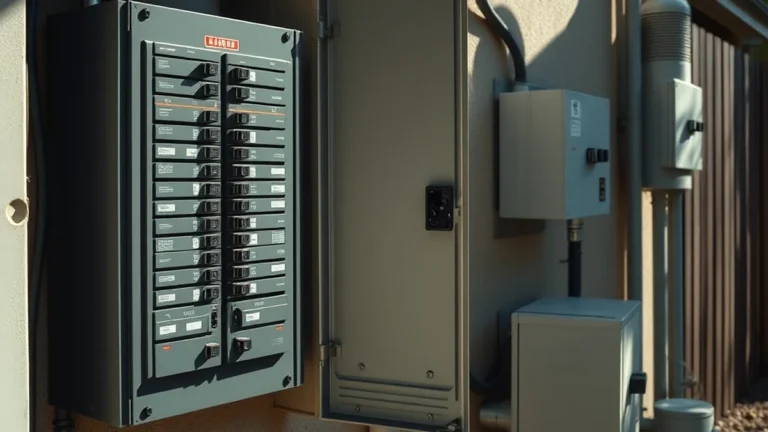
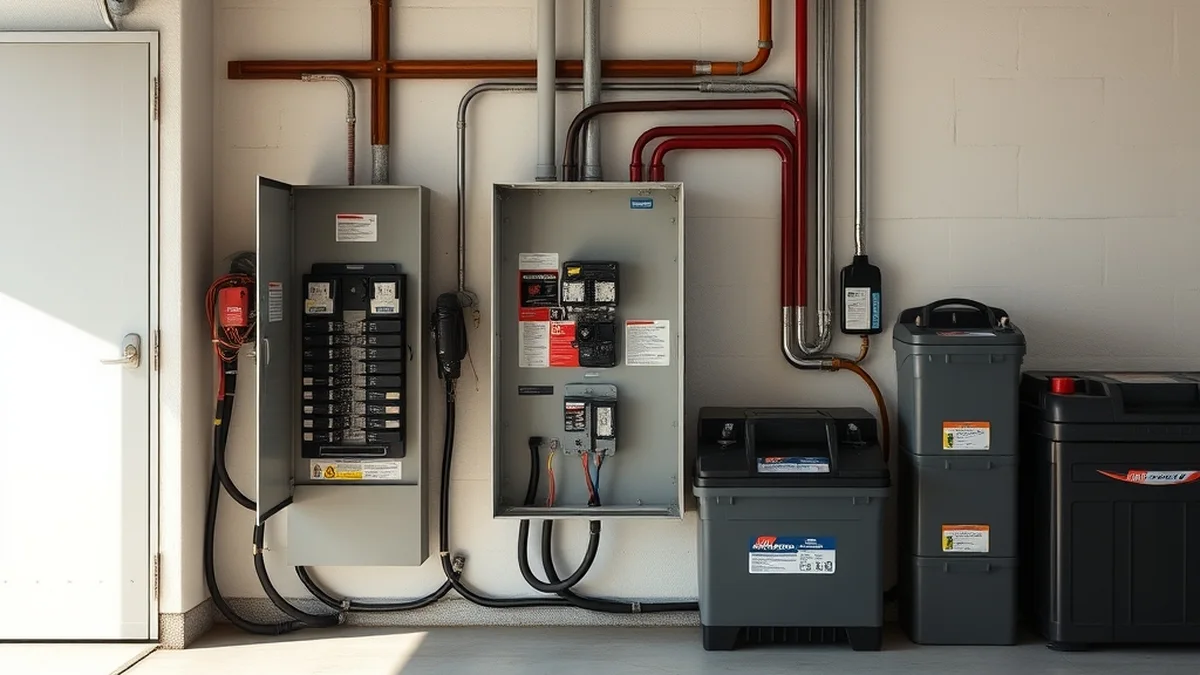
Moreover, the physics of electrical backfeed presents a significant hazard. Backfeed occurs when power flows back into the grid, which can happen if a generator is connected to a home’s electrical system without proper isolation. This can lead to dangerous situations for utility workers and can damage the generator itself. The A-iPower GXS7600iRD lacks advanced features such as automatic transfer switches (ATS) that are crucial for preventing backfeed, making it imperative for users to implement manual isolation methods.
Critical Circuit Sizing Math for Safe Operation
Proper circuit sizing is essential for the safe operation of any generator. The A-iPower GXS7600iRD has a continuous wattage output of 7,600 watts, which necessitates careful calculation of the circuits it will power. For example, if you plan to run a refrigerator (approximately 600 watts), a microwave (1,200 watts), and a few lights (300 watts total), the total load would be 2,100 watts. This is well within the generator’s capacity, but what happens if you add a space heater (1,500 watts)? The total load would then reach 3,600 watts, still under the continuous rating, but this does not account for the startup surge of these appliances, which can be significantly higher.
To ensure safe operation, a rule of thumb is to keep the total running load at 80% of the generator’s continuous rating. This translates to a maximum of 6,080 watts for the GXS7600iRD. Therefore, when planning your circuits, always calculate both the running and surge wattages, and consider using a load calculator to avoid exceeding the generator’s limits.
Hardware Class Comparison Table
| Feature | A-iPower GXS7600iRD | Competitor A | Competitor B |
|---|---|---|---|
| Continuous Wattage | 7,600W | 8,000W | 7,500W |
| Surge Wattage | 9,500W | 10,000W | 9,000W |
| Weight | 120 lbs | 130 lbs | 115 lbs |
| Noise Level (dB) | 58 dB | 55 dB | 60 dB |
| Fuel Type | Gasoline | Propane | Dual Fuel |
| Backfeed Protection | No | Yes | Yes |
NEC Code Compliance and Carbon Monoxide Hazards
The National Electrical Code (NEC) mandates strict guidelines for generator installation to prevent hazards such as backfeed and carbon monoxide poisoning. The A-iPower GXS7600iRD does not meet the NEC’s requirements for backfeed protection, making it essential for users to install a transfer switch to isolate the generator from the grid. Additionally, generators should never be operated indoors or in enclosed spaces to mitigate the risk of carbon monoxide poisoning, which can occur even at low concentrations.
Failure to comply with NEC codes can lead to severe consequences, including electrical fires and personal injury. Users must ensure that their generator setup includes proper grounding and that all connections are secure to prevent short circuits. Furthermore, carbon monoxide detectors should be installed in proximity to the generator’s operating area to provide an early warning in case of gas buildup.
Related Aegis Lab Briefings: Explore deeper benchmarks in Water-Powered vs Marine Battery Backup Sump Pumps: Which is Best? and 5 Essential Rules for Placing Interconnected Smoke and CO Alarms.
Seasonal Inspection and Commissioning Checklist
Regular inspections and maintenance are crucial for the safe operation of the A-iPower GXS7600iRD generator. A comprehensive seasonal checklist should include the following:
- Inspect fuel lines for leaks and ensure all connections are secure.
- Check the oil level and replace it if necessary, following the manufacturer’s guidelines.
- Examine the air filter and clean or replace it to ensure optimal airflow.
- Test the generator under load to verify its performance and ensure it meets wattage requirements.
- Inspect the battery and electrical connections for corrosion or wear.
- Review the operation of safety features, including circuit breakers and overload protection.
By adhering to this checklist, users can significantly reduce the risk of generator failure and enhance the overall safety of their home power systems. Regular commissioning also allows for early detection of potential issues, ensuring that the generator operates reliably when needed most.
Sizing transfer hardware and automated leak cutoffs ahead of severe outages protects critical home equity.