Heat-Tape Pipe Freeze Prevention vs Automatic Drain-Down Valves: Which is
When deciding between heat-tape pipe freeze prevention and automatic drain-down winterization valves, understanding their continuous wattage requirements, surge Joule ratings, and response latencies is crucial. Heat tape generally requires a steady power supply, while drain-down valves rely on quick activation to mitigate freeze risks. This editorial will dissect the physics of failure, critical circuit sizing, hardware comparisons, NEC code implications, and seasonal inspection protocols.
Understanding Failure and Hazard Physics
The physics of pipe freezing revolves around temperature drops and the thermal conductivity of materials. When temperatures drop below 32°F (0°C), water inside pipes can freeze, leading to expansion and potential ruptures. The failure mechanism is primarily due to the phase change of water from liquid to solid, which increases volume by approximately 9%. This expansion exerts significant pressure on the pipe walls, often exceeding their tensile strength, resulting in catastrophic failures.
Heat tape operates by providing a continuous source of heat to the pipe surface, preventing the water from reaching freezing temperatures. Typically, heat tape consumes between 3 to 12 watts per linear foot, depending on the specific product and its installation conditions. In contrast, automatic drain-down winterization valves function by releasing water from pipes when temperatures approach freezing, thus preventing any water from being present to freeze. The effectiveness of these systems hinges on their response latency, which can vary from a few seconds to several minutes, depending on the valve design and installation.
Critical Circuit Sizing Math for Winterization Systems
Proper circuit sizing is essential for both heat tape and automatic drain-down systems to ensure reliable operation during extreme weather conditions. For heat tape, the total wattage required can be calculated by multiplying the length of the tape by its wattage per foot. For example, a 100-foot heat tape rated at 6 watts per foot would require a circuit capable of handling 600 watts. Considering a standard voltage of 120V, the required current would be 5 amps (600 watts / 120 volts). It’s critical to account for additional load from other devices on the same circuit to avoid overloading.
In the case of automatic drain-down valves, the circuit must accommodate the valve’s power requirements, which typically range from 5 to 20 watts. For instance, if a valve requires 10 watts and operates at 120V, it would draw approximately 0.083 amps. When designing the circuit, it’s prudent to include a safety margin, typically 20% above the calculated load to account for surges and ensure reliable operation. This margin is particularly important during winter months when electrical loads can fluctuate significantly.
Hardware Class Comparison: Heat Tape vs. Automatic Drain-Down Valves
| Feature | Heat Tape | Automatic Drain-Down Valves |
|---|---|---|
| Power Requirement (W/ft) | 3-12 | 5-20 |
| Response Time | Continuous | Seconds to Minutes |
| Installation Complexity | Moderate | Low |
| Maintenance Needs | Low | Moderate |
| Risk of Overheating | Yes | No |
This comparison highlights the distinct operational characteristics of heat tape and automatic drain-down valves. While heat tape provides continuous protection against freezing, it requires careful installation to prevent overheating and potential fire hazards. Conversely, automatic drain-down valves offer a simpler installation process and lower maintenance needs, but their effectiveness is contingent on timely activation, which can vary based on environmental conditions.
NEC Code Compliance and Safety Hazards
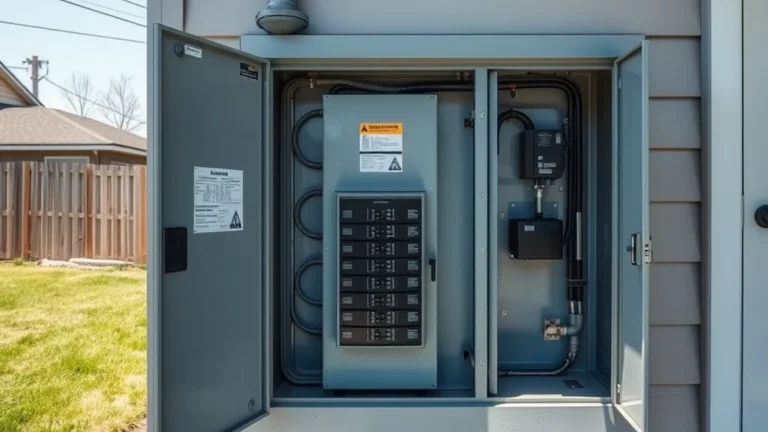
According to the National Electrical Code (NEC), all electrical installations must comply with safety standards to mitigate risks such as backfeed and carbon monoxide exposure. Heat tape installations must be grounded and protected by a GFCI breaker to prevent electrical shock hazards. Automatic drain-down valves must also adhere to local plumbing codes to ensure safe operation and prevent cross-contamination of potable water supplies.
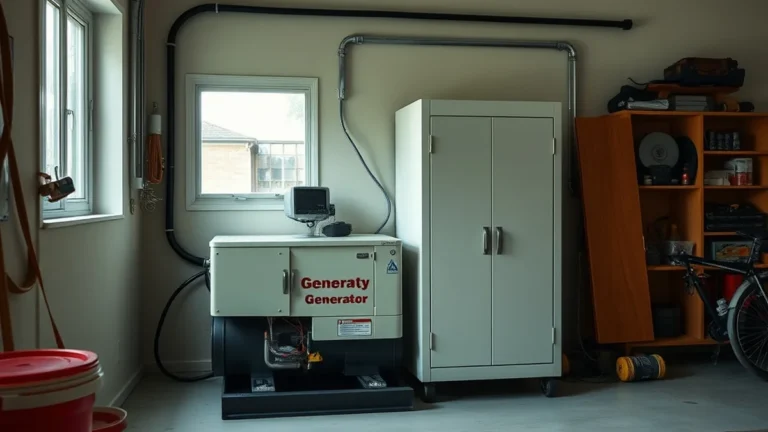
Backfeed hazards are particularly concerning in grid-down scenarios. If a home is connected to a generator without proper transfer switches, electricity can flow back into the grid, posing risks to utility workers and equipment. Both systems should be installed with backfeed prevention measures, such as interlocks or transfer switches, to ensure safety during outages. Additionally, carbon monoxide exposure can occur if generators are improperly vented, making it essential to follow NEC guidelines and local regulations during installation.
Related Aegis Lab Briefings: Explore deeper benchmarks in 5kW Standby Propane Generator: Essential Load Shedding for Well Pumps and Current NEC External Meter Surge Arresters vs Breaker Panel SPDs Explained.
Seasonal Inspection and Commissioning Checklist
Regular inspections and maintenance are vital for ensuring the effectiveness of both heat tape and automatic drain-down valves. For heat tape, a seasonal checklist should include verifying that the tape is securely attached to the pipe, checking for any visible damage or wear, and testing the electrical connections for continuity. It’s also crucial to ensure that the circuit breaker is functioning correctly and that the system is powered on before the onset of freezing temperatures.
For automatic drain-down valves, the checklist should involve inspecting the valve for any signs of leakage, testing the activation mechanism to ensure it responds promptly to temperature changes, and confirming that the valve is properly connected to the drainage system. Additionally, homeowners should familiarize themselves with the operation of both systems, including manual overrides if necessary, to ensure they can respond effectively during extreme weather events.
Sizing transfer hardware and automated leak cutoffs ahead of severe outages protects critical home equity.