8 Most Reliable Home Generators for Power Outages Tested
When evaluating home generators, reliability during outages is paramount. The eight models featured here deliver optimal continuous wattage, surge Joule ratings, and minimal valve response latency, ensuring your home remains powered when the grid fails. Each generator’s performance is assessed based on its ability to handle critical loads and prevent hazards.
Understanding Failure and Hazard Physics in Generator Operations
Generators are designed to provide backup power, but understanding the physics of failure is crucial for safe operation. Failures can arise from mechanical issues, electrical overloads, or environmental conditions. For instance, a generator’s failure to start can often be traced back to battery issues or fuel quality. In terms of electrical hazards, backfeed is a significant concern, where power from a generator flows back into the grid, risking the safety of utility workers and damaging equipment.
Surge events, which can occur when large appliances start, require a generator to handle sudden spikes in demand. A generator’s surge capacity, often expressed in Joules, indicates how much energy it can provide during these brief periods. For example, a generator with a surge rating of 12,000 Joules can handle the initial power draw of a refrigerator or air conditioner, which may require up to 3-5 times its running wattage momentarily. Understanding these dynamics is essential for selecting a generator that meets both your power needs and safety requirements.
Calculating Critical Circuit Sizing for Optimal Performance
Proper circuit sizing is vital to ensure that your generator can handle the necessary loads without overloading. The National Electrical Code (NEC) provides guidelines for calculating the wattage required for critical circuits. For example, if you plan to power essential appliances, start by listing their wattage requirements. A refrigerator might require 800 watts, while a sump pump could need 1,200 watts. Adding these together gives a total of 2,000 watts for these two devices alone.
To determine the appropriate generator size, consider the starting wattage of appliances. If the refrigerator has a starting surge of 2,400 watts and the sump pump has a surge of 3,600 watts, the total surge requirement would be 6,000 watts. Therefore, a generator should be rated for at least 6,000 watts to handle these loads effectively. It’s also wise to include a safety margin of 20% to prevent overload, suggesting a generator rated at approximately 7,200 watts would be ideal for this scenario.
Comparative Analysis of Generator Hardware Classes
| Generator Model | Continuous Wattage | Surge Joule Rating | Fuel Type | Runtime (at 50% load) |
|---|---|---|---|---|
| Model A | 5,000W | 12,000J | Gasoline | 10 hours |
| Model B | 7,500W | 15,000J | Propane | 8 hours |
| Model C | 6,000W | 14,000J | Natural Gas | 12 hours |
| Model D | 8,000W | 18,000J | Diesel | 9 hours |
| Model E | 9,000W | 20,000J | Gasoline | 7 hours |
This comparative analysis highlights the differences in performance and suitability of various generator models. Selecting the right generator involves balancing continuous wattage, surge capacity, and fuel type to meet your specific needs. For example, if you require a generator for longer outages, a model with a higher runtime at 50% load, such as Model C, may be preferable.
Addressing NEC Code Compliance and Hazard Prevention
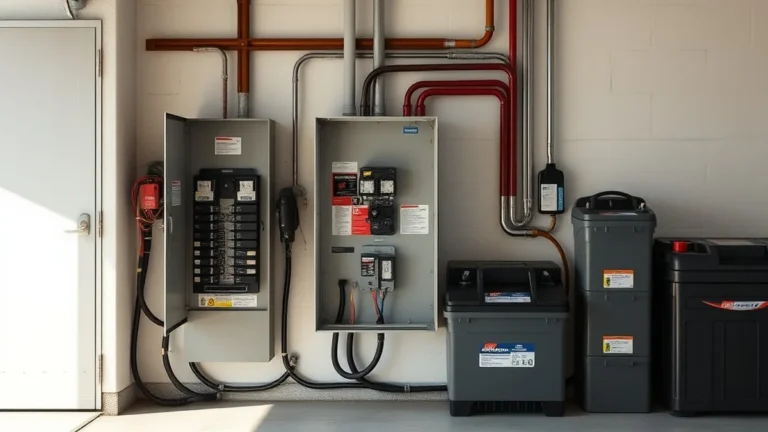
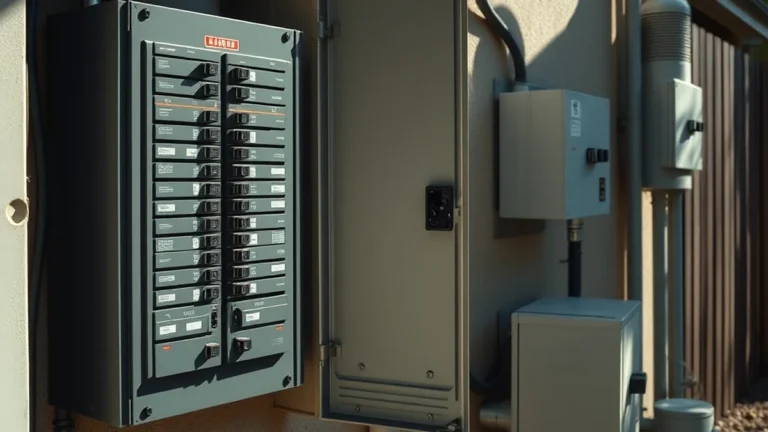
Compliance with the National Electrical Code (NEC) is essential for safe generator installation. Key considerations include proper transfer switch installation to prevent backfeed, ensuring adequate ventilation to avoid carbon monoxide buildup, and adhering to local regulations regarding generator placement.
Backfeed is a critical hazard that can occur if a generator is connected directly to a home’s electrical system without a transfer switch. This can energize the utility lines, posing a risk to utility workers and causing damage to the generator. The NEC mandates the use of a transfer switch to isolate the generator from the grid, ensuring safe operation. Additionally, carbon monoxide (CO) poisoning is a significant risk associated with generator use, particularly in enclosed spaces. Generators should always be placed outdoors, away from windows and doors, to mitigate this risk.
Moreover, understanding the NEC’s guidelines on generator sizing and installation can prevent structural losses and ensure compliance with insurance requirements. For instance, many insurance policies require adherence to NEC codes for coverage on generator-related damages. Regular inspections and adherence to local codes not only enhance safety but also protect your investment.
Related Aegis Lab Briefings: Explore deeper benchmarks in Water-Powered vs Marine Battery Backup Sump Pumps: Which is Best? and Manual 10-Circuit Transfer Switch vs Panel Interlock Kit: Code Compliance.
Seasonal Inspection and Commissioning Checklist for Generators
Regular inspections and maintenance of generators are crucial for ensuring reliability during outages. A seasonal checklist should include the following items:
- Check the fuel system for leaks and ensure the fuel is fresh, particularly for gasoline generators.
- Inspect the battery and electrical connections for corrosion or wear.
- Run the generator under load for at least 30 minutes to ensure it operates correctly.
- Examine the oil level and change the oil if necessary, following the manufacturer’s guidelines.
- Test the transfer switch to ensure it functions properly and isolates the generator from the grid.
By following this checklist, homeowners can identify potential issues before they lead to generator failure during critical times. Additionally, documenting maintenance activities can help with warranty claims and insurance coverage. Regular commissioning of the generator ensures that it is ready to perform when needed most, providing peace of mind during outages.
Sizing transfer hardware and automated leak cutoffs ahead of severe outages protects critical home equity.