Super El Niño Threatens Septic Tanks and Sump Pumps: Prepare Now
Super El Niño events can lead to significant flooding and water table rises, potentially overwhelming septic systems and sump pumps. To mitigate damage, homeowners must understand continuous wattage requirements, surge Joule ratings, and valve response latencies to ensure effective backup power and system resilience during extreme weather events.
Understanding Failure and Hazard Physics
Super El Niño conditions can create extreme weather patterns, leading to heavy rainfall and flooding. This can cause septic tanks to overflow and sump pumps to fail if they are not adequately prepared. The physics behind these failures often involves the principles of fluid dynamics and pressure differentials. For instance, when the water table rises due to excessive rainfall, the pressure exerted on septic tanks increases, potentially leading to structural failure or backflow into the home. The average septic tank can withstand pressures up to 10 psi; exceeding this can compromise its integrity.
Moreover, sump pumps are designed to handle a specific volume of water per minute, typically measured in gallons per minute (GPM). If the inflow exceeds the pump’s capacity, it can lead to flooding. For example, a standard sump pump might handle 30 GPM; however, during a Super El Niño event, inflows can exceed 100 GPM in some regions. Understanding these physics is crucial for homeowners to anticipate potential failures and take preventative measures.
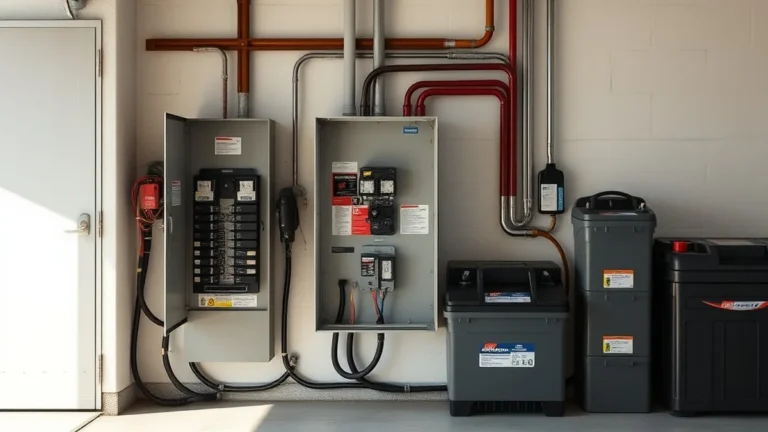
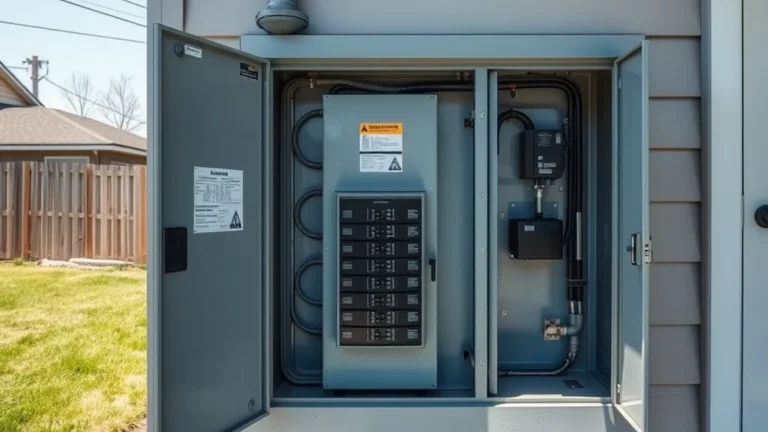
Additionally, the risk of electrical failures due to flooding cannot be overstated. Water intrusion can lead to short circuits and electrical fires, especially if electrical panels are submerged. Homeowners must be aware of the vulnerabilities of their electrical systems and take steps to mitigate these risks, such as elevating electrical components above potential flood levels.
Critical Circuit Sizing Math for Backup Systems
To ensure that sump pumps and septic systems operate effectively during power outages, homeowners must accurately size their backup power systems. Continuous wattage refers to the amount of power required to run a device continuously, while surge wattage is the additional power needed to start the device. For example, a sump pump may require 800 watts to run continuously but could need 1,200 watts to start. Homeowners should calculate the total wattage requirements for all critical systems, including sump pumps, septic systems, and any additional appliances that may need backup power.
To determine the necessary generator size, homeowners can use the following formula: Total Wattage = Continuous Wattage + Surge Wattage. If a sump pump requires 800 watts continuously and 1,200 watts to start, the total wattage required would be 2,000 watts. It’s advisable to add a safety margin of 20% to account for fluctuations, bringing the recommended generator size to 2,400 watts.
Moreover, understanding the ampacity of wiring is crucial. The National Electrical Code (NEC) provides guidelines on wire sizing based on the load. For instance, a 20-amp circuit can safely handle up to 2,400 watts at 120 volts. Homeowners must ensure that their circuits are adequately sized to prevent overheating and potential fire hazards. Regularly assessing and upgrading electrical systems can prevent failures during critical moments.
Hardware Class Comparison for Backup Power Solutions
| Hardware Type | Continuous Wattage | Surge Wattage | Fuel Type | Run Time | Cost |
|---|---|---|---|---|---|
| Portable Generator | 1,000 – 7,500 W | 2,000 – 12,000 W | Gasoline, Propane | 8 – 12 hours | $400 – $2,500 |
| Standby Generator | 5,000 – 20,000 W | 7,500 – 30,000 W | Natural Gas, Propane | Unlimited (with fuel supply) | $3,000 – $15,000 |
| Inverter Generator | 1,000 – 4,000 W | 1,500 – 6,000 W | Gasoline | 6 – 10 hours | $500 – $3,000 |
When selecting backup power hardware, consider the specific wattage needs of your sump pump and septic system. Portable generators are versatile but may require frequent refueling, while standby generators offer seamless power transfer but come at a higher initial cost. Inverter generators provide clean power for sensitive electronics but may not support high-wattage appliances.
NEC Code Compliance and Safety Hazards
According to the National Electrical Code (NEC), proper installation and maintenance of backup power systems are crucial to prevent hazards such as carbon monoxide poisoning and electrical backfeed. Homeowners must ensure that their generators are equipped with transfer switches to prevent backfeed into the grid, which can endanger utility workers and damage electrical systems.
Carbon monoxide (CO) poisoning is a significant risk associated with portable generators. The Centers for Disease Control and Prevention (CDC) reports that CO is responsible for over 400 deaths annually in the U.S. due to improper generator use. Homeowners should install CO detectors in their homes, especially near sleeping areas, and ensure that generators are operated outdoors, away from windows and doors.
Backfeed is another critical hazard that can occur when a generator is connected directly to a home’s electrical system without a transfer switch. This can energize power lines and pose a serious risk to utility workers attempting to restore power. To comply with NEC regulations, homeowners must install a transfer switch that isolates the generator from the grid, ensuring safe operation during outages.
Related Aegis Lab Briefings: Explore deeper benchmarks in Standby Natural Gas Generators vs Gasoline Fuel Shelf-Life Explained and Heat-Tape Pipe Freeze Prevention vs Automatic Drain-Down Valves: Which is.
Seasonal Inspection and Commissioning Checklist
Regular inspections and maintenance of septic systems and sump pumps are essential for resilience against severe weather events. Homeowners should establish a seasonal checklist to ensure that all critical systems are functioning optimally. Key items to include are:
- Inspect sump pump operation: Test the pump by pouring water into the pit to ensure it activates and discharges properly.
- Check septic tank levels: Schedule regular pumping every 3-5 years, depending on usage, to prevent overflow.
- Examine electrical connections: Ensure all wiring is secure and free from corrosion, especially in areas prone to flooding.
- Test backup generators: Run the generator monthly to ensure it starts and operates correctly; check fuel levels and replace oil as needed.
- Inspect drainage systems: Clear any debris from gutters and downspouts to ensure proper water flow away from the foundation.
By adhering to this checklist, homeowners can enhance the resilience of their septic systems and sump pumps, reducing the risk of failure during extreme weather events. Regular maintenance not only protects property but also ensures the safety and health of all occupants.
Sizing transfer hardware and automated leak cutoffs ahead of severe outages protects critical home equity.