Inverter Generators: Total Harmonic Distortion Risks to Gas Furnaces
Inverter generators, while efficient for backup power, can introduce total harmonic distortion (THD) that jeopardizes the operation of modern gas furnaces. Understanding continuous wattage, surge Joule ratings, and valve response latency is crucial for safe integration and load transfer during grid failures.
Understanding Total Harmonic Distortion and Its Risks
Total harmonic distortion (THD) refers to the measure of distortion in electrical signals, expressed as a percentage of the fundamental frequency. For inverter generators, THD levels can vary significantly, often ranging from 1% to 10%. Modern gas furnaces are designed to operate efficiently with clean power sources, typically expecting THD levels below 5%. Exceeding this threshold can lead to erratic furnace operation, increased wear on components, and even complete failure.
The physics of failure in gas furnaces due to high THD primarily revolves around the electronic control systems that manage ignition and combustion. These systems rely on precise voltage and current waveforms to function correctly. When THD levels rise, the distorted waveforms can cause misfires or delayed ignition, leading to increased emissions and potential safety hazards. Moreover, the furnace’s electronic components may not withstand prolonged exposure to distorted power, resulting in costly repairs or replacements.
Calculating Critical Circuit Sizing for Inverter Generators
Proper circuit sizing is essential when integrating inverter generators with gas furnaces. The continuous wattage rating of an inverter generator indicates the maximum power it can supply without overheating or failing. For instance, a generator rated at 3,000 watts can typically handle a gas furnace that requires around 1,500 watts for operation. However, it’s crucial to account for surge wattage, which can be significantly higher during startup. A furnace may require up to 2,500 watts during ignition, necessitating a generator capable of handling this surge.
To ensure safe operation, calculate the total load by adding the continuous wattage of all connected devices, including the furnace. For example, if the furnace uses 1,500 watts and a refrigerator adds another 600 watts, the total load is 2,100 watts. Selecting an inverter generator with at least a 20% margin above this total is advisable, leading to a generator rating of at least 2,520 watts. This buffer helps accommodate any unexpected surges and ensures reliable operation.
Comparative Analysis of Inverter Generator Classes
| Generator Class | THD (%) | Continuous Wattage (W) | Surge Wattage (W) | Typical Applications |
|---|---|---|---|---|
| Standard Inverter | 3-5 | 2,000-3,500 | 3,000-5,000 | Recreational, small appliances |
| Premium Inverter | 1-3 | 3,000-5,000 | 5,000-7,500 | Home backup, sensitive electronics |
| Commercial Inverter | 1-5 | 5,000-10,000 | 10,000-15,000 | Construction, industrial applications |
This table illustrates the varying THD levels and power capabilities of different inverter generator classes. Premium inverters, with lower THD percentages, are particularly suited for applications involving sensitive equipment like gas furnaces. Selecting the right class can mitigate risks associated with THD and ensure efficient operation.
Compliance with NEC Codes and Safety Considerations
According to the National Electrical Code (NEC), proper installation of backup power systems is critical to prevent backfeed and ensure safety. Backfeed occurs when power from a generator flows back into the grid, posing risks to utility workers and equipment. Additionally, carbon monoxide (CO) hazards arise from improper generator placement, as exhaust must be vented away from living spaces.
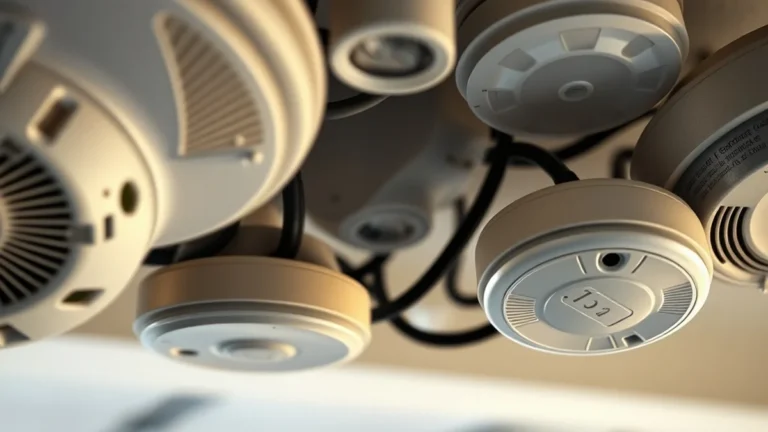
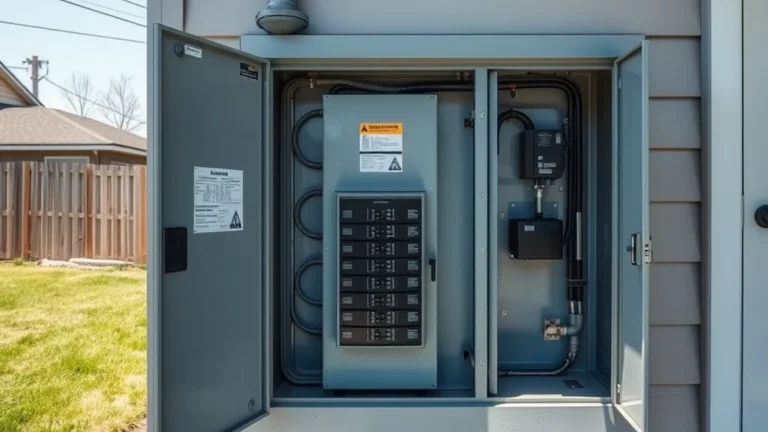
NEC guidelines stipulate that generators must be connected through a transfer switch to prevent backfeed. This switch isolates the generator from the grid, ensuring that power flows only to the intended circuits. For gas furnaces, a dedicated circuit is recommended to avoid overloading and ensure reliable operation. Furthermore, the installation of carbon monoxide detectors is crucial in homes using generators, especially during extended outages.
Regular inspections of both the generator and the furnace are necessary to maintain compliance with NEC codes and ensure safe operation. Homeowners should consult with qualified electricians to verify that all installations meet local codes and safety standards. This proactive approach not only protects the home but also enhances the longevity of the equipment.
Related Aegis Lab Briefings: Explore deeper benchmarks in Manual 10-Circuit Transfer Switch vs Panel Interlock Kit: Code Compliance and Water-Powered vs Marine Battery Backup Sump Pumps: Which is Best?.
Seasonal Inspection and Commissioning Checklist for Generators
Routine maintenance and inspection of inverter generators and gas furnaces are vital to ensure optimal performance and safety. A seasonal checklist can help homeowners systematically evaluate their systems. Key items to include are:
- Inspect and clean the generator air filter and spark plug.
- Check the fuel system for leaks and ensure proper fuel levels.
- Test the generator’s output voltage and THD levels using a multimeter.
- Verify that the transfer switch operates correctly and is free from corrosion.
- Inspect the gas furnace for any signs of wear or malfunction, including the ignition system and gas valves.
By adhering to this checklist, homeowners can identify potential issues before they escalate into costly repairs or safety hazards. Seasonal inspections not only enhance the reliability of backup power systems but also ensure that gas furnaces operate efficiently during critical times.
Sizing transfer hardware and automated leak cutoffs ahead of severe outages protects critical home equity.