5kW Standby Propane Generator: Essential Load Shedding for Well Pumps
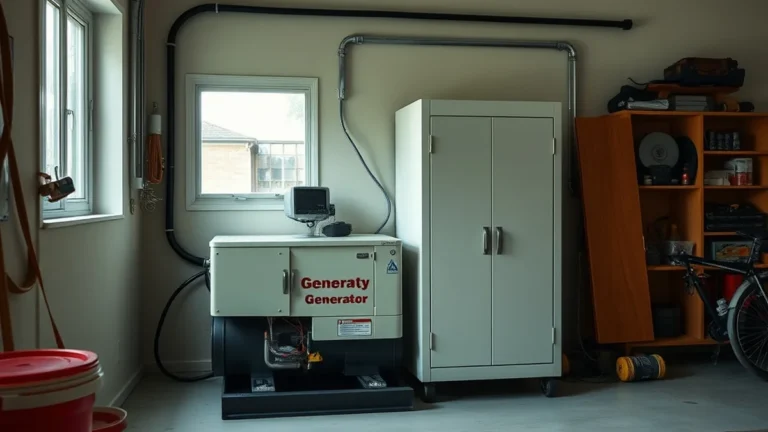
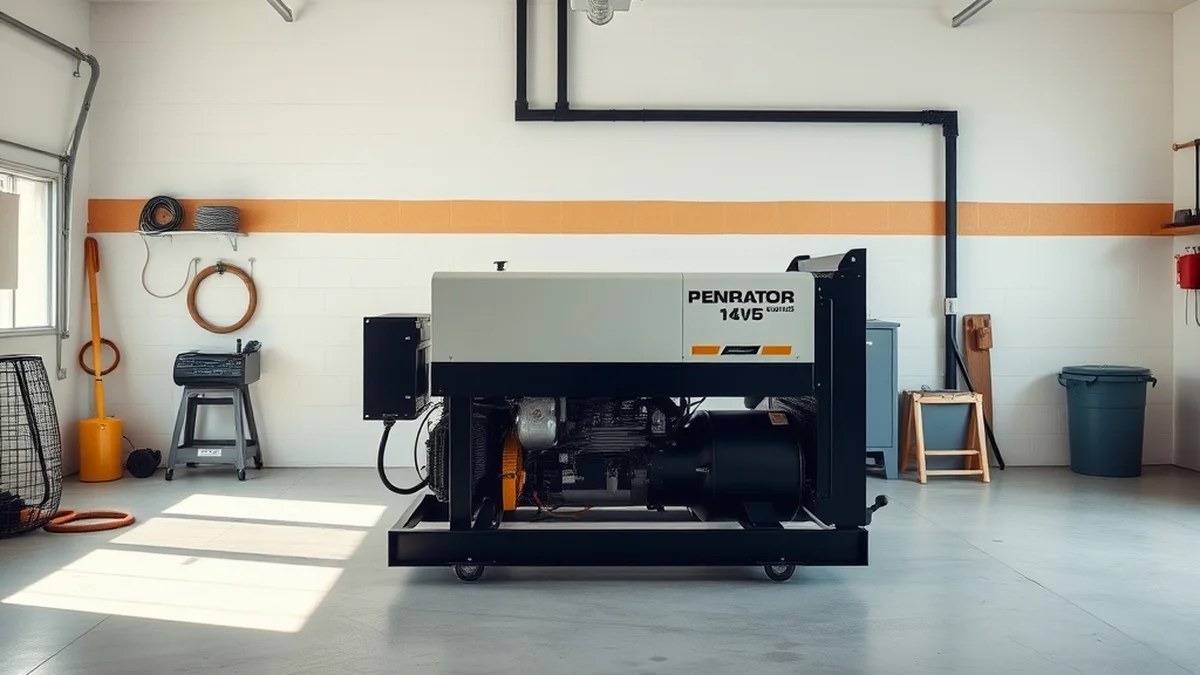
Standby propane generators equipped with 5kW load shedding modules are essential for maintaining well pump functionality during grid outages. These systems ensure that critical loads are prioritized, providing necessary power while preventing backfeed and associated hazards. Understanding continuous wattage, surge Joule ratings, and valve response latency is crucial for effective implementation.
Understanding Failure and Hazard Physics in Generator Systems
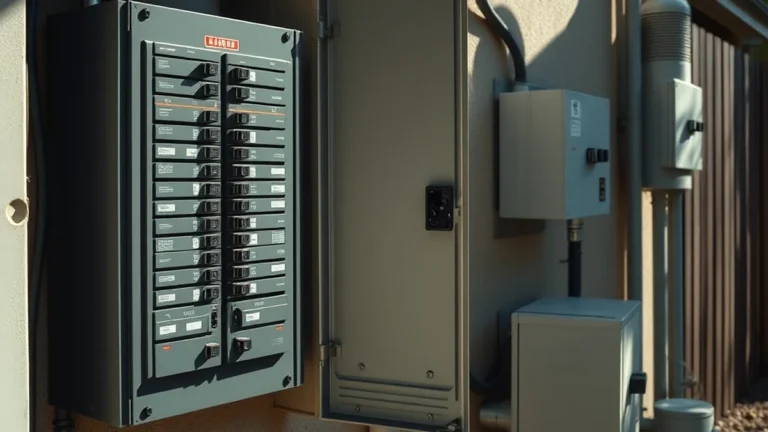
The physics of failure in standby generator systems primarily revolves around electrical overloads, backfeed risks, and mechanical failures. When a generator is improperly configured, it can lead to backfeed, which poses a significant risk to utility workers and can damage the generator itself. Backfeed occurs when power flows in the opposite direction from the generator to the grid, often due to a lack of proper transfer switches. The National Electrical Code (NEC) mandates the use of transfer switches to mitigate this risk, ensuring that the generator operates safely and effectively during outages.
Mechanical failures can also arise from inadequate maintenance or improper sizing of components. For instance, if a generator is undersized for the load it is expected to support, it can overheat and fail. The surge Joule rating is vital here; it indicates the maximum energy the generator can handle during initial startup of appliances. For example, a well pump may require a surge of 10-15 times its running wattage at startup. Thus, a 5kW generator must be capable of handling these surges without exceeding its rated capacity, which could lead to catastrophic failure.
Critical Circuit Sizing Math for Load Management
Proper circuit sizing is essential for ensuring that a standby generator can handle the electrical load of a well pump and other critical systems. The first step in this process is to calculate the total wattage required by all devices that will operate simultaneously. For example, if a well pump requires 1,200 watts to run and an additional 3,000 watts for startup, the total demand during startup would be 4,200 watts. This calculation must include other critical loads, such as lighting and refrigeration, to ensure the generator can handle peak demands.
Using the formula: Total Load (W) = Running Wattage + Surge Wattage, we can illustrate a scenario. If a household has a well pump (1,200W running, 3,000W surge), a refrigerator (200W running, 800W surge), and lights (300W running), the total running wattage is 1,700W, while the total surge wattage is 4,800W. Thus, a generator rated at 5kW is marginally sufficient but may not provide a safety buffer for unexpected loads. Therefore, it is prudent to select a generator with a higher capacity to accommodate unforeseen demands and ensure reliable operation.
Comparative Analysis of Hardware Classes for Load Shedding
| Generator Type | Continuous Wattage | Surge Wattage | Response Time (ms) | Cost ($) |
|---|---|---|---|---|
| Portable Generator | 3,000 | 3,600 | 200 | 600 |
| Standby Generator | 5,000 | 6,000 | 10 | 3,500 |
| Inverter Generator | 2,000 | 3,000 | 50 | 1,200 |
This table provides a comparative analysis of different generator classes based on their continuous and surge wattage capabilities, response times, and costs. Standby generators, while more expensive, offer a significant advantage in terms of response time and sustained power output, making them ideal for critical applications like well pumps. In contrast, portable generators may suffice for less demanding applications but lack the immediate power transfer capabilities required during a grid outage.
NEC Code Compliance and Hazard Mitigation Strategies
According to the NEC, all standby generators must be equipped with transfer switches to prevent backfeed into the grid. This requirement is crucial for the safety of utility workers and the integrity of the electrical system.
Compliance with NEC codes is non-negotiable for ensuring the safety and reliability of standby generator systems. The code mandates that all installations include transfer switches that isolate the generator from the grid during operation. This isolation prevents backfeed, which can lead to severe electrical hazards, including electrocution and equipment damage. Additionally, proper grounding and bonding practices must be followed to mitigate the risk of electrical shock and fire hazards.
Carbon monoxide (CO) poisoning is another critical hazard associated with generator use. Generators should be placed outdoors and away from windows, doors, and vents to prevent CO buildup in living spaces. Installing CO detectors in areas where generators are used is also highly recommended. Regular maintenance checks, including testing of exhaust systems and ensuring proper ventilation, are essential to mitigate these risks effectively.
Related Aegis Lab Briefings: Explore deeper benchmarks in Inverter Generators: Total Harmonic Distortion Risks to Gas Furnaces and Manual 10-Circuit Transfer Switch vs Panel Interlock Kit: Code Compliance.
Seasonal Inspection and Commissioning Checklist for Generators
Regular inspections and maintenance of standby propane generators are crucial for ensuring their reliability during outages. A seasonal checklist should include the following key components: check the oil level and quality, inspect the air filter, and test the battery. Oil should be changed according to the manufacturer’s recommendations, typically every 100 hours of operation or annually, whichever comes first. A clean air filter ensures optimal performance and efficiency, while a fully charged battery is essential for reliable startup.
Additionally, testing the generator under load conditions is vital to ensure it can handle peak demands. This involves running the generator while connected to the well pump and other critical loads to verify that it maintains voltage and frequency within acceptable limits. Finally, reviewing the operation of the transfer switch and ensuring that all safety mechanisms are functional will help prevent potential failures during an outage. Documenting these inspections and maintenance activities can also aid in identifying patterns that may indicate the need for further attention.
Sizing transfer hardware and automated leak cutoffs ahead of severe outages protects critical home equity.