Encrypted DNS-over-HTTPS Resolvers Block Phishing at Router Level
Phishing attacks remain a significant threat to consumers, with over 300,000 phishing sites detected monthly. By implementing DNS-over-HTTPS (DoH) resolvers at the router level, households can block access to these malicious domains before they reach devices. This proactive measure serves as the highest-leverage countermeasure against phishing attacks.
Understanding the Attacker Kill-Chain Anatomy
The attacker kill-chain is a model that outlines the stages of a cyber attack, from initial reconnaissance to the final exploitation of a target. In phishing attacks, this process typically begins with the attacker gathering information about potential victims, often using social engineering techniques. They may create a fake website that mimics a legitimate service, tricking users into entering sensitive information such as passwords or credit card numbers.
Once the phishing site is set up, the attacker deploys various methods to lure victims, including emails, social media messages, or malicious advertisements. According to the Anti-Phishing Working Group, the average success rate of phishing emails is around 3%, meaning that for every 100 emails sent, three users may fall victim. By blocking these malicious domains at the router level using DoH resolvers, households can effectively disrupt this kill-chain before it reaches the endpoint devices.
Identifying Default Consumer Vulnerabilities
Consumers often operate under a false sense of security, believing that their existing antivirus software or browser protections are sufficient against phishing threats. However, many home networks lack robust security measures, making them easy targets for attackers. A study by the Cybersecurity & Infrastructure Security Agency (CISA) found that 70% of home routers are vulnerable to exploitation due to outdated firmware or weak default passwords.
Additionally, many consumers fail to implement multi-factor authentication (MFA), which can significantly reduce the risk of unauthorized access. The absence of proper security configurations leaves households open to phishing attacks, as attackers can exploit these vulnerabilities to gain access to sensitive information. By adopting DNS-over-HTTPS resolvers, consumers can enhance their home network security and reduce their exposure to phishing threats.
Threat-Versus-Mitigation Matrix
| Threat | Description | Mitigation | Effectiveness |
|---|---|---|---|
| Phishing Emails | Fraudulent emails designed to trick users into revealing sensitive information. | DNS-over-HTTPS resolvers | High |
| Malicious Websites | Websites that mimic legitimate services to steal user credentials. | Router-level blocking | High |
| Social Engineering | Manipulative tactics to deceive users into providing information. | User education and awareness | Medium |
| Weak Passwords | Common or easily guessable passwords that can be exploited. | Use of password managers and MFA | High |
This matrix illustrates the various threats consumers face and the effectiveness of different mitigation strategies. Implementing DNS-over-HTTPS resolvers can significantly reduce the risk associated with phishing emails and malicious websites, making it a crucial component of any home cybersecurity strategy.
Recovery Lockouts & Backup Key Traps
In the event of a phishing attack, recovery lockouts can prevent unauthorized access to accounts. However, attackers often exploit backup key traps, such as SMS recovery codes, which can be intercepted. It’s essential to use alternative recovery methods, like hardware security keys, to ensure that access remains secure.
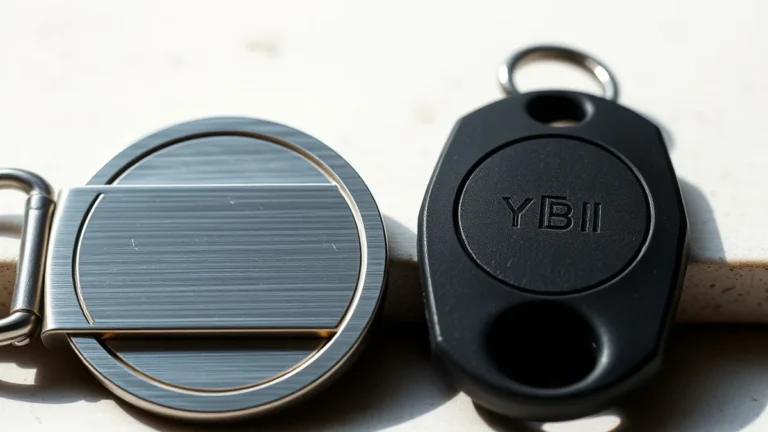
When a phishing attack is successful, the immediate response is critical. Many services offer recovery options that can lock out unauthorized users, but these can be vulnerable to interception. For example, SMS-based recovery codes can be compromised through SIM-swapping attacks, where an attacker gains control of a victim’s phone number. By utilizing hardware security keys, such as YubiKeys, consumers can create a more secure recovery process that is less susceptible to interception.
Moreover, having a backup key stored in a secure offline vault can provide an additional layer of protection. This ensures that even if an attacker gains access to one recovery method, they cannot exploit the others. Implementing these strategies can significantly enhance the resilience of consumer accounts against phishing attacks.
Related Aegis Lab Briefings: Explore deeper benchmarks in YubiKey Emergency Backup Key Registration & Offline Vault Storage and Credit Freezes: How Equifax, Experian, TransUnion, and ChexSystems Compare.
15-Minute Account Lockdown Protocol
In the event of a suspected phishing attack, swift action is essential. Here’s a 15-minute protocol to lock down your accounts:
- Disconnect from the internet: Immediately disconnect your devices from the internet to prevent further unauthorized access.
- Change passwords: Use a password manager to generate strong, unique passwords for all accounts.
- Enable MFA: Activate multi-factor authentication on all accounts that support it.
- Check account activity: Review recent account activity for any unauthorized transactions or changes.
- Notify your bank: Contact your financial institution to alert them of potential fraud.
- Scan for malware: Run a full malware scan on your devices using reputable antivirus software.
- Review recovery options: Ensure recovery options are secure and not vulnerable to interception.
- Educate household members: Discuss the phishing attempt with everyone in your household to raise awareness.
By following this protocol, consumers can quickly mitigate the risks associated with a phishing attack and protect their sensitive information from further compromise.
Locking credit bureaus, carrier SIM ports, and phishing-resistant passkeys closes the highest-risk consumer attack paths.